







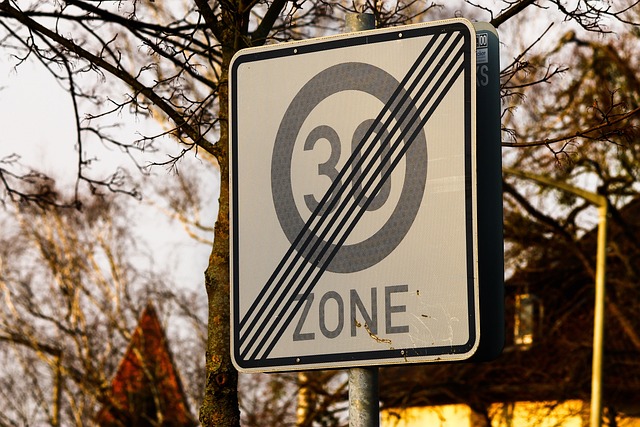
Zoning ordinances structure land use, define property permissions, and maintain community character. Local governments manage growth, safety, and neighborhood preservation through these rules. Understanding classifications, rules, and compliance is crucial for real estate investors, developers, and borrowers. Engaging with authorities, staying informed about trends, and seeking professional advice ensures responsible development and protects rights. Proactive engagement prepares individuals to benefit from evolving zoning practices.
Understanding your community’s zoning ordinance is a cornerstone of informed decision-making for any consumer—whether you’re a business owner expanding, a homeowner looking to renovate, or simply interested in your neighborhood’s character. Zoning laws, designed to regulate land use and development, significantly impact the built environment and quality of life. However, navigating these complex regulations can be daunting. This article provides an authoritative guide, breaking down expert insights on zoning ordinances to empower consumers with knowledge, ensuring compliance and fostering responsible community growth. By the end, you’ll grasp the fundamentals and practical implications for making informed choices within your local framework.
Understanding Zoning Ordinances: Basics for Consumers

Zoning ordinances are critical regulations that shape the physical landscape of our communities, governing land use and development. For consumers, understanding these ordinances is essential when making significant decisions, such as purchasing property or financing a construction project. This section aims to demystify zoning laws and provide practical insights for borrowers navigating these complex rules.
At their core, zoning ordinances divide a municipality into specific districts, each with permitted land uses. These districts ensure that neighborhoods maintain their character—residential areas remain peaceful, commercial zones foster economic activities, and industrial sites are located appropriately. Borrowers looking to develop or improve property must comply with these regulations to obtain necessary permits. For instance, constructing a mixed-use building in a purely residential zone would require careful planning and potential amendments to the zoning ordinance, which involves a complex process of public hearings and council approvals.
One critical aspect for borrowers is understanding the specific zoning classifications and their associated rules. Zoning ordinance borrower requirements vary widely based on location and district type. For commercial spaces, access to parking, load-bearing capacity, and signage regulations might apply. Residential areas often have strict guidelines on building sizes, set backs, and lot coverage. Non-compliance can lead to legal issues, fines, or even demolition orders. Therefore, borrowers should thoroughly research the zoning status of their target property and consult professionals who specialize in navigating these ordinances to ensure a smooth borrowing process and successful project outcomes.
Local Government's Role in Implementing Zoning Rules

Local governments play a pivotal role in shaping urban landscapes and ensuring harmonious development through the implementation of zoning ordinances. These regulations are designed to control land use, protect neighbors’ rights, and promote community well-being. Zoning ordinance borrower requirements vary across jurisdictions but generally involve detailed guidelines for property developers and owners. By defining specific areas for residential, commercial, industrial, or mixed uses, local governments aim to maintain order and balance within their communities.
Implementing zoning rules involves a multifaceted approach. Local officials must consider factors like population density, infrastructure capacity, environmental impact, and community needs. For instance, a coastal city might zone certain areas for residential use to protect vital beachfront ecosystems while allowing limited commercial development. This strategic planning ensures that each neighborhood or district aligns with specific character and purpose, fostering a sense of community and quality of life. Moreover, zoning ordinances often include provisions for building codes, set-back requirements, and design standards, ensuring structures are safe, aesthetically pleasing, and in harmony with the surrounding environment.
Expert insights suggest that effective zoning requires regular review and adaptation to changing circumstances. As urban areas grow and evolve, so do community needs and preferences. Local governments must stay agile, updating ordinances to accommodate new developments while preserving historical or culturally significant areas. This dynamic approach balances progress with preservation, ensuring that zoning remains a flexible tool for shaping desirable, sustainable communities. Additionally, engaging stakeholders, including developers, residents, and environmental groups, can lead to more inclusive and successful zoning implementations, fostering consensus and buy-in from all parties involved.
Property Use and Zoning: What You Need to Know

Understanding property use and zoning is crucial for anyone considering a real estate investment or development project. Zoning ordinances, established by local governments, dictate how land can be used, ensuring balanced community growth and safety. These regulations classify areas into zones, each with specific permitted uses, such as residential, commercial, industrial, or mixed-use districts. Knowing the zoning ordinance borrower requirements is essential for prospective buyers or developers to avoid legal issues and secure financing.
For instance, a property in a residential zone cannot be converted without permission into a retail space, as this would violate the zoning laws. Borrowers looking to renovate or redevelop property must adhere to these guidelines to maintain compliance. The zoning ordinance borrower requirements often involve submitting detailed plans that demonstrate how the proposed use aligns with the zone’s permitted uses and restrictions. Local authorities review these plans to ensure they meet safety, health, and environmental standards. For example, a commercial development might require additional parking spaces, access for emergency vehicles, and specific construction materials to pass inspection.
While zoning ordinances provide structure, they can also present challenges. Developers may need to explore alternatives or work with local authorities to amend certain rules to accommodate their projects. Staying informed about these regulations is vital for successful property transactions. Borrowers should engage with professionals who understand the intricacies of zoning ordinance borrower requirements, ensuring a smooth process from application to approval. By doing so, they can avoid potential delays, legal complications, and financial losses.
Navigating Permits and Regulations for Construction Projects

Navigating permits and regulations for construction projects is a critical aspect of responsible development, especially when adhering to the zoning ordinance. Zoning ordinances are local government rules that divide a municipality into zones, each with specific land use and building requirements. These regulations are designed to ensure orderly growth and maintain the character of neighborhoods. For borrowers initiating construction projects, understanding these rules is essential for securing funding and avoiding legal complications.
The process begins with assessing the property’s zoning classification, which dictates the permitted uses and development potential. Borrowers must confirm their proposed project aligns with the zoning ordinance before applying for permits. Many municipalities offer online resources to check zoning information, making this initial step relatively accessible. For instance, a residential zone may restrict commercial activities, while an industrial area could have strict guidelines on noise levels and material storage. Compliance from the outset is crucial; non-compliance can lead to project delays or even legal disputes with neighbors or local authorities.
Securing the necessary permits involves submitting detailed plans and applications to the relevant zoning and building departments. These submissions should include architectural designs, structural specifications, and sometimes environmental impact assessments. The borrower requirements vary based on location and project scale but generally require evidence of compliance with local codes and ordinances. For larger projects or those in areas with complex zoning regulations, engaging a professional engineer or architect who understands these intricacies can streamline the process. Effective communication with local authorities is vital to ensure all necessary permits are obtained efficiently.
Disputes and Appeals: Your Rights Under the Ordinance

When it comes to understanding your rights within a zoning ordinance, especially as a borrower or property owner, disputes and appeals can often arise. These processes are integral to ensuring fairness and transparency in the application of zoning laws. The zoning ordinance serves as a comprehensive set of regulations, guiding land use and development across various jurisdictions. Borrowers and property enthusiasts must be aware of their entitlements and the avenues for redress when facing decisions that may restrict their intended projects or purchases.
Disputes can occur due to perceived injustices in enforcement, interpretations of the ordinance, or even errors in application. For instance, a borrower planning a residential development might challenge a decision that classifies their project as non-conforming, arguing that it complies with all relevant zoning ordinance borrower requirements. Appeals are typically initiated through designated administrative channels, where individuals can present their case before a review board or council. This process demands meticulous attention to detail and a deep understanding of the governing laws.
The expertise required to navigate these complexities highlights the importance of seeking professional advice. Legal specialists in zoning law can provide invaluable guidance on how to challenge decisions, ensuring that your rights under the zoning ordinance are protected. They assist in preparing robust appeals, citing relevant case law and provisions within the ordinance itself. By employing this strategic approach, borrowers and property owners can ensure their voices are heard and that they receive fair treatment throughout the development or acquisition process.
The Future of Zoning: Trends and Consumer Impact

The future of zoning is an exciting yet complex landscape, one that presents both opportunities and challenges for consumers. As urban areas continue to grow and evolve, so too do the demands on infrastructure, services, and land use planning. Zoning ordinances, which dictate how land can be used and what structures can be built within specific geographic boundaries, are at the forefront of this changing environment. This evolving landscape requires a nuanced understanding from both policymakers and consumers alike.
One prominent trend in zoning is the increasing emphasis on mixed-use developments. These projects seamlessly integrate residential, commercial, and sometimes industrial spaces into a single structure or neighborhood. For instance, a new housing complex might include retail stores at street level, with offices and light industry above. This approach not only maximizes land use but also fosters vibrant communities by reducing commute times and encouraging walkability. For consumers, mixed-use areas often offer greater accessibility and convenience, potentially impacting property values positively. Additionally, zoning ordinance borrower requirements are becoming more flexible to accommodate these innovative projects, recognizing their potential for economic growth and community benefits.
Another significant trend is the push towards sustainable development practices within zoning regulations. Many municipalities are adopting green building codes and energy-efficient standards as part of their zoning ordinances. These measures not only reduce environmental impact but also offer long-term financial savings for residents. For example, mandating solar panels on new constructions or incentivizing green roofs can contribute to more resilient communities while lowering utility costs. Consumers who prioritize sustainability will find these changes particularly appealing, aligning with their values and potentially influencing their purchasing decisions. As such, understanding the evolving zoning ordinance borrower requirements related to sustainability is crucial for both builders and buyers.
To stay ahead of the curve, consumers should actively engage with local planning authorities, attend community meetings, and stay informed about proposed changes to zoning ordinances. By doing so, they can anticipate future developments in their areas, understand how these changes may impact property values, and make informed decisions regarding investments or purchases. This proactive approach ensures that individuals are not only participants in the shaping of their communities but also positioned to benefit from the future trends in zoning and development.