







Understanding zoning ordinances is crucial for property decisions, ensuring compliance with local regulations. These rules, set by governments, control land use in specific areas, promoting balanced growth and safety. Key aspects include zone designations (residential, commercial, industrial), preventing costly mistakes, understanding special districts, using online mapping tools, and adhering to building restrictions, set-back distances, and permitted uses for seamless lending and responsible ownership. Proactive consultation with professionals and thorough review of zoning ordinance documents mitigate risks.
In today’s fast-paced world, understanding your local zoning ordinances is more crucial than ever for consumers navigating the real estate landscape. Zoning laws, often complex and confusing, dictate how land can be used, shaping the development of our communities. However, with varying regulations across regions, comprehending these rules can feel like deciphering a labyrinthine code. This authoritative article aims to demystify zoning ordinances, providing an in-depth walkthrough that empowers consumers to make informed decisions. By the end, you’ll possess the knowledge to navigate this essential aspect of urban planning with confidence and expertise.
Understanding Your Community's Zoning Map

Understanding your community’s zoning map is a crucial step for any consumer looking to make informed decisions about property ownership or development. Zoning ordinances, established by local governments, dictate how land can be used and what structures can be built within specific areas. These regulations are designed to ensure harmonious growth, maintain neighborhood character, and protect public safety and health. The zoning map serves as a visual representation of these rules, allowing residents and developers alike to navigate the permitted uses in their area.
To truly grasp the implications of zoning ordinances, borrowers should familiarize themselves with the various designations on the map. Each zone category, such as residential, commercial, or industrial, comes with specific building restrictions and permit requirements. For instance, a residential zone typically restricts certain noise levels, permits only single-family dwellings, and has guidelines for yard sizes and setbacks. Understanding these regulations upfront can prevent future headaches and costly mistakes. When financing a project that involves zoning changes or non-conforming uses, borrowers must engage with lenders who are equipped to handle these complexities, ensuring compliance throughout the process.
As you explore your community’s zoning map, pay close attention to any special districts or overlays that might apply. These can include historic preservation areas, environmental conservation zones, or future development plans that could impact property values and building possibilities. Staying informed about such factors empowers borrowers to make strategic decisions, whether it’s investing in a property with redevelopment potential or ensuring their construction project adheres to all relevant zoning ordinance borrower requirements. Local government websites often offer detailed mapping tools, making it easier than ever for consumers to access this critical information.
Decoding Zoning Ordinance Language

Understanding zoning ordinances—a seemingly daunting task for many homeowners and prospective borrowers—is a crucial step towards making informed decisions regarding property acquisition and development. Zoning ordinance language can be complex, but decoding it is essential to ensure compliance with local regulations. This comprehensive guide aims to demystify this process, offering valuable insights into navigating the intricacies of zoning laws.
At its core, a zoning ordinance is a local government regulation that divides a municipality into zones, each with specific purposes and restrictions. These ordinances dictate how land can be used, ensuring order and promoting harmonious community development. For borrowers, understanding these regulations is vital when financing real estate projects or purchasing properties. The language often includes terms like ‘residential’, ‘commercial’, ‘industrial’, and various subcategories, each defining permitted and restricted activities within that zone. For instance, a ‘R-1’ residential zone might allow single-family homes while prohibiting multi-family dwellings.
Decoding these ordinances requires careful reading and interpretation. Borrowers should scrutinize the specific requirements related to building size, set-back distances, parking spaces, and permitted uses. For example, a zoning ordinance might specify that buildings in a particular zone cannot exceed two stories or have a maximum height of 30 feet. These regulations are designed to maintain the aesthetic and functional integrity of neighborhoods. By familiarizing themselves with these rules, borrowers can ensure their projects adhere to local guidelines, avoiding costly delays or legal issues. It’s also beneficial to consult with professionals who frequently interact with zoning ordinances, providing valuable guidance tailored to individual circumstances.
Property Use: What's Allowed, What's Not
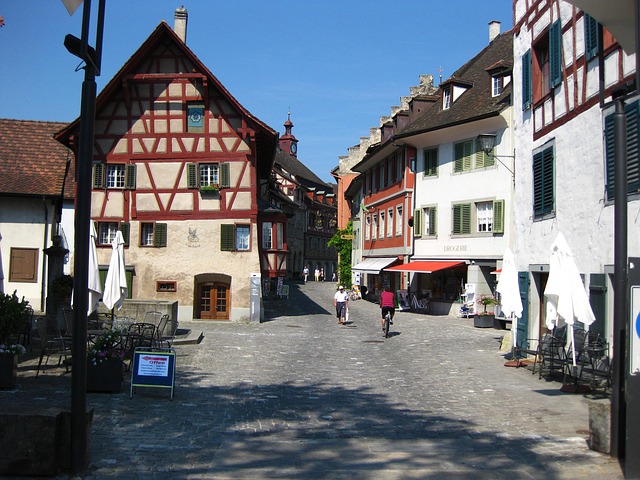
Understanding your property’s use is a crucial aspect of navigating zoning ordinances, ensuring compliance, and making informed decisions as a borrower or landowner. Zoning ordinances dictate how land can be used, regulating everything from building construction to business operations and residential activities. These regulations are designed to maintain the character of neighborhoods, promote orderly development, and ensure public safety and health.
In most jurisdictions, zoning classifications divide areas into specific categories like residential, commercial, industrial, or mixed-use zones. Each zone has its own set of rules regarding permitted uses, building height and size, parking requirements, and more. For instance, a residential zone typically allows single-family homes, apartments, and small businesses serving the neighborhood, while a commercial zone may accommodate retail stores, offices, and larger assembly halls. Violating these guidelines can lead to legal issues and penalties for property owners.
When considering a loan or developing a property, borrowers must familiarize themselves with local zoning ordinance borrower requirements. This involves researching the intended use of their land, understanding the surrounding area’s zoning classification, and ensuring their proposed activities align with the permitted uses outlined in the zoning ordinance. For example, if you plan to open a restaurant, you’ll need to ensure your property is located in a zone that allows food service establishments, as specified by the zoning ordinance. This due diligence not only prevents legal complications but also fosters responsible borrowing and development practices.
Permits and Licenses: Your Rights and Responsibilities

Understanding permits and licenses within the zoning ordinance is a crucial step for any consumer looking to navigate their rights and responsibilities when developing or improving property. The zoning ordinance borrower requirements vary widely depending on location and type of project, but they serve as a vital framework for maintaining community standards and ensuring safe, harmonious development. For instance, in many urban areas, obtaining a building permit is essential for any construction project, while rural zones might have less stringent requirements but still mandate compliance with specific health and safety codes.
Permits and licenses are not merely bureaucratic hurdles; they are critical components of the zoning ordinance that protect both property owners and the community. For consumers, these processes offer an opportunity to ensure their projects align with local regulations, avoiding potential fines or legal issues down the line. When embarking on a renovation or new construction project, it’s important to research and understand which permits and licenses are required for your specific situation. This may include building permits, use permits, special use permits, or variances, each with its own set of borrower requirements. For example, a simple bathroom remodel might only require a building permit, while a significant addition could necessitate various permits and even environmental impact assessments.
Compliance with zoning ordinance borrower requirements is not just about legal adherence; it also enhances property value and fosters positive relationships with local authorities. Lenders and investors often view properties that have been developed or improved in accordance with applicable laws as more secure investments, reflecting the careful consideration of community needs and standards. By proactively engaging with relevant departments to understand and fulfill these requirements, consumers can streamline their projects, avoid delays, and potentially save on costs associated with violations or necessary corrections later.
Changing Zoning Laws: The Public Participation Process

Changing zoning laws is a complex process that requires careful navigation to ensure community needs are met while adhering to legal frameworks. Public participation forms a cornerstone of this process, enabling residents to voice their opinions and shape development decisions that impact their neighborhoods. This democratic aspect of zoning ordinances is crucial for fostering transparency and accountability within local governments.
When considering amendments to the zoning ordinance, borrowers and lenders should be aware of the public engagement requirements. These regulations dictate how and when stakeholders can contribute to the discussion, ensuring a fair and inclusive environment. For instance, many municipalities mandate public hearings where residents can present their views, ask questions, and offer alternative solutions. Active participation from the community can sway decision-makers and lead to more informed outcomes. Data suggests that communities with robust public engagement in zoning matters experience greater satisfaction with resulting development plans.
Effective public involvement involves clear communication channels and accessible forums. Local governments should utilize various methods like online platforms, community meetings, and social media to gather input from diverse demographic groups. Borrowers looking to develop properties must be prepared to engage in this process, understanding the potential impact of zoning changes on their projects. This collaboration ensures that development aligns with local character, addresses infrastructure needs, and incorporates community values. Ultimately, a successful public participation process results in zoning ordinances that reflect the authentic aspirations and needs of the community they serve.
Common Mistakes to Avoid in Zoning Compliances

Navigating zoning ordinances can be a complex task for borrowers, often leading to costly mistakes. Understanding these regulations is crucial for a smooth lending process and long-term property ownership. Many borrowers fall into traps related to permitted uses, set-backs, and density requirements, among others. For instance, constructing a new building without realizing it exceeds the maximum allowed height can result in significant delays and additional expenses.
One of the primary zoning ordinance borrower requirements is understanding the specific district classification of their property. Different zones have distinct rules regarding construction types, density, and amenities. Borrowers should scrutinize the permitted uses within their zone; using the land for an unauthorized purpose could lead to compliance issues and fines. Moreover, adhering to set-back regulations, which dictate the minimum distance buildings must be from property lines, is essential to avoid violating zoning laws. Failure to comply with these requirements can result in legal complications and may even necessitate costly demolition or redesign work.
To mitigate risks, borrowers should engage with local authorities early in their project’s lifecycle. Consulting with building departments and reviewing relevant zoning ordinance documents can help identify potential pitfalls. Seeking expert guidance from architects and developers familiar with the local landscape is also advisable. By proactively addressing zoning compliance issues, borrowers can ensure their projects adhere to regulations, saving time and money in the long run.