








Understanding zoning ordinances is crucial for property owners and developers. These local government regulations categorize land use into zones like residential, commercial, or industrial, dictating construction, signage, parking, and activity rules. Compliance ensures legal safety, preserves neighborhood character, and maximizes investment potential. Property owners should review their area's unique rules, obtain necessary permits, stay updated on changes, and consult professionals for informed decision-making and minimal risks. Local governments enforce these ordinances, shaping communities' safety and character through land use guidance.
Understanding your property’s zoning ordinance is an essential step for any responsible property owner. Zoning regulations dictate how land can be used, influencing everything from construction projects to business operations. However, navigating these complex laws can be daunting. This article provides a clear, comprehensive guide designed to demystify the zoning ordinance process, equipping you with the knowledge to make informed decisions about your real estate investments and developments. By the end, you’ll have a robust understanding of how these ordinances work and their profound impact on property ownership.
Understanding Your Property's Zoning Classification

Understanding your property’s zoning classification is a crucial step for any property owner, as it dictates how you can use and develop your land. The zoning ordinance, a key component of local government regulations, categorizes properties into different zones based on their intended use, such as residential, commercial, or industrial. Each zone has specific rules and restrictions that govern activities like construction, signage, and parking.
Knowing your property’s zoning classification is essential for meeting borrower requirements when securing financing. Lenders often review these details to ensure the proposed use aligns with local regulations and minimizes potential risks. For instance, a residential property in a zone designed for low-density housing may face stricter guidelines on building size and design compared to one in an area allowing higher-density apartments. Understanding these nuances can help property owners make informed decisions about renovations or new developments, ensuring compliance from the outset.
Zoning ordinances also play a significant role in maintaining a community’s character and quality of life. They protect neighborhoods from incompatible land uses, preserve green spaces, and ensure safe and orderly development. Property owners should familiarize themselves with the specific zoning regulations for their area, as they can vary widely between municipalities. This proactive approach allows you to make the most of your property while adhering to local laws, fostering a harmonious blend of residential, commercial, and industrial sectors within the community.
Navigating Local Zoning Ordinance Laws

Navigating local zoning ordinance laws can be a complex task for property owners, but understanding these regulations is crucial for any real estate venture. Zoning ordinances are designed to ensure harmonious development and maintain community standards. These rules govern land use, building construction, and various activities within specific areas, promoting order and safety. For borrowers looking to develop or invest in properties, adhering to these local laws is not just a legal requirement but also a strategic move to secure successful projects.
The zoning ordinance borrower requirements vary from one locality to another, reflecting diverse urban and rural landscapes. In many cases, developers must obtain permits and approvals from relevant authorities before initiating any construction. This process involves submitting detailed plans outlining building designs, dimensions, and intended use. For instance, a commercial space in a residential area might face stricter criteria than an expansion of an existing industrial facility. Local zoning boards assess these applications based on factors such as noise levels, traffic impact, and compatibility with surrounding properties. Understanding these requirements early in the project lifecycle can help borrowers avoid costly delays and legal issues.
A practical approach for property owners is to engage professionals who specialize in navigating zoning ordinances. These experts can provide insights tailored to specific locations, ensuring compliance before investments are made. By staying informed about local laws and their implications, borrowers can make informed decisions, mitigate risks, and maximize the potential of their real estate ventures. Keeping abreast of changes in zoning regulations is also essential, as updates often reflect evolving community needs and urban planning strategies.
Permitted Uses and Restrictions Explained

Understanding permitted uses and restrictions under the zoning ordinance is a crucial step for property owners looking to navigate their legal rights and obligations. Zoning ordinances, designed to regulate land use and development, dictate what types of properties can be used in specific areas. This means understanding what activities are permitted on your property and what uses may require special approval or are outright prohibited.
For instance, residential zones typically allow single-family homes, apartments up to a certain density, and sometimes commercial uses limited to home offices or small businesses. In contrast, industrial zones permit manufacturing, warehousing, and other business activities that generate significant traffic or noise. Mixed-use districts offer the most flexibility, allowing a blend of residential, commercial, and even recreational purposes. Zoning ordinance borrower requirements often align with these classifications, dictating lending practices and financing options based on the permitted uses of a property.
Non-permitted uses can lead to legal issues and penalties for property owners. Constructing a business in a residential zone or converting an apartment building to a house without the necessary approvals are examples of violations. Property owners should review their zoning ordinance thoroughly before making any significant changes, ensuring they comply with all regulations. This includes obtaining necessary permits and understanding any special conditions attached to their property’s zoning designation.
Regularly updating your knowledge on zoning ordinance borrower requirements is also essential, as changes in local laws can impact financing options. Staying informed ensures you’re making well-advised decisions regarding your property investment or development projects, minimizing legal risks and maximizing potential.
Setting Back and Dimensionally Requirements

The zoning ordinance sets out the rules regarding how property can be used and developed, ensuring a harmonious balance within communities. A crucial aspect of this is the requirement for setting back from property lines and dimensional restrictions. These regulations are designed to maintain order, prevent encroachment, and preserve the aesthetic and functional integrity of buildings in relation to their surroundings.
Setting back refers to the distance a structure must be positioned from the property boundary or other designated lines. The specific set-back requirements vary depending on the zoning district and the nature of the property. For example, residential zones often mandate a certain distance between homes and the street edge or neighboring properties to ensure privacy and reduce noise impact. Commercial areas may have different set-back rules to accommodate business needs while still maintaining order. Dimensional restrictions also come into play, dictating factors like building height, width, and depth, especially in dense urban areas. These regulations help manage the scale and mass of buildings, ensuring they do not overshadow neighboring structures or create shadows that negatively impact light availability.
Understanding these zoning ordinance borrower requirements is essential for property owners planning any development or renovation projects. Compliance ensures that properties are used appropriately, maintains neighborhood character, and avoids potential legal issues. Before breaking ground, consulting local zoning authorities or professionals can provide valuable insights into specific rules and help navigate any complexities to ensure a smooth process.
Special Exceptions and Variance Requests

Navigating zoning ordinances can be a complex task for property owners, but understanding special exceptions and variance requests is crucial in this process. These provisions offer flexibility within the framework of local land use regulations, allowing for unique situations to be addressed fairly. Special exceptions are typically reserved for specific types of properties or uses that don’t adversely affect surrounding areas. For instance, a small-scale agricultural operation in an otherwise residential zone might qualify as a special exception due to its minimal impact on neighbors.
Variance requests, on the other hand, involve modifications to standard zoning requirements. Property owners may seek variances for various reasons, such as dealing with unusual site conditions or historical preservation needs. Imagine a property owner seeking a variance to construct a larger structure than allowed by the ordinance, justifying it due to the unique architectural design required to preserve a historic building’s integrity. Zoning boards carefully evaluate these requests based on set criteria and community impact considerations.
Understanding zoning ordinance borrower requirements is essential for property owners. These requirements often involve demonstrating that proposed changes or uses meet specific standards related to safety, traffic, and neighborhood character. For special exceptions, borrowers typically need to provide detailed information about the nature of their property and potential impacts. In variance cases, they must articulate why standard regulations don’t apply and present solutions to mitigate any adverse effects. Expert legal counsel can be invaluable in navigating these processes, ensuring compliance and maximizing the chances of a successful outcome.
Enforcement, Appeals, and Common Misconceptions
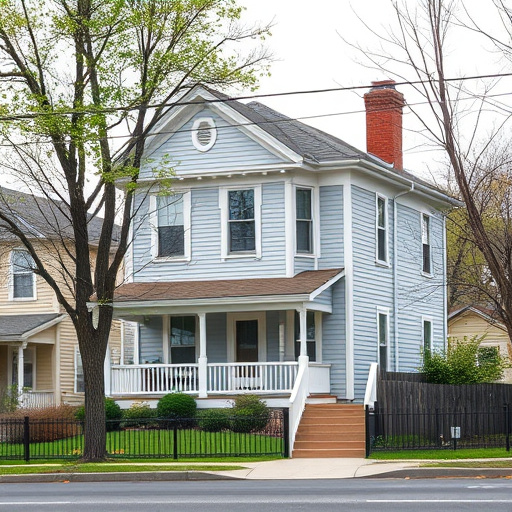
The enforcement of zoning ordinances is a critical aspect of local government’s role in maintaining a community’s character and safety. Property owners must understand these regulations to ensure compliance and avoid legal issues. Zoning ordinance borrower requirements often include specific restrictions on land use, building design, and dimensions. Non-compliance can lead to penalties, fines, or even the demolition of structures. Authorities conduct regular inspections and utilize various methods for enforcement, such as issuing notices of violation or referring cases to court.
Appeals are a vital part of the process, allowing property owners to contest decisions they believe are unfair or erroneous. These appeals typically follow a structured process set forth in the zoning ordinance itself. Property owners should be aware that appealing a decision does not automatically mean it will be overturned; they must present compelling evidence and arguments. Common misconceptions about the appeal process often arise, such as assuming all decisions are final. However, many zoning ordinances provide multiple levels of review, offering a fair chance for correction if errors were made during initial assessments.
Understanding your rights and responsibilities under the zoning ordinance is crucial. Borrowers should carefully review the regulations to ensure their intended use of the property complies with local laws. Consulting with legal experts or professionals who specialize in zoning matters can help clarify any doubts. For instance, a borrower planning a renovation project must adhere to specific guidelines regarding set-backs, parking, and materials used, as outlined in the zoning ordinance. By being proactive and informed, property owners can navigate the complexities of zoning ordinances effectively and avoid potential pitfalls.